
Sober Living in New Jersey
Finding safe sober living homes in New Jersey should not mean calling house after house. Hopeful Estates is a free sober living referral service in NJ. Call us and we will help you find sober living near you, a men’s or women’s sober living house that fits your budget and location.
We help you find a sober living house in New Jersey and connect you with recovery support that fits your needs.
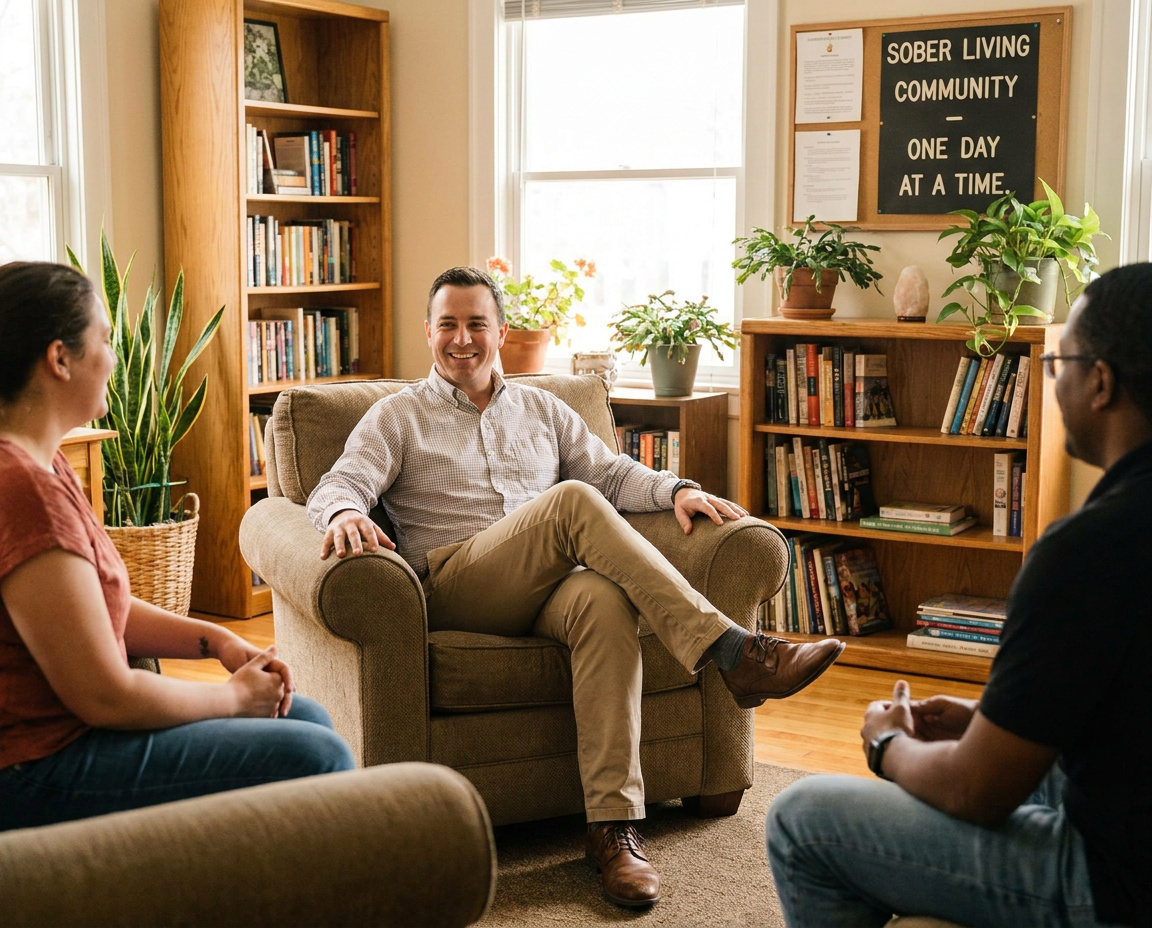
We match you with safe sober living homes in New Jersey.
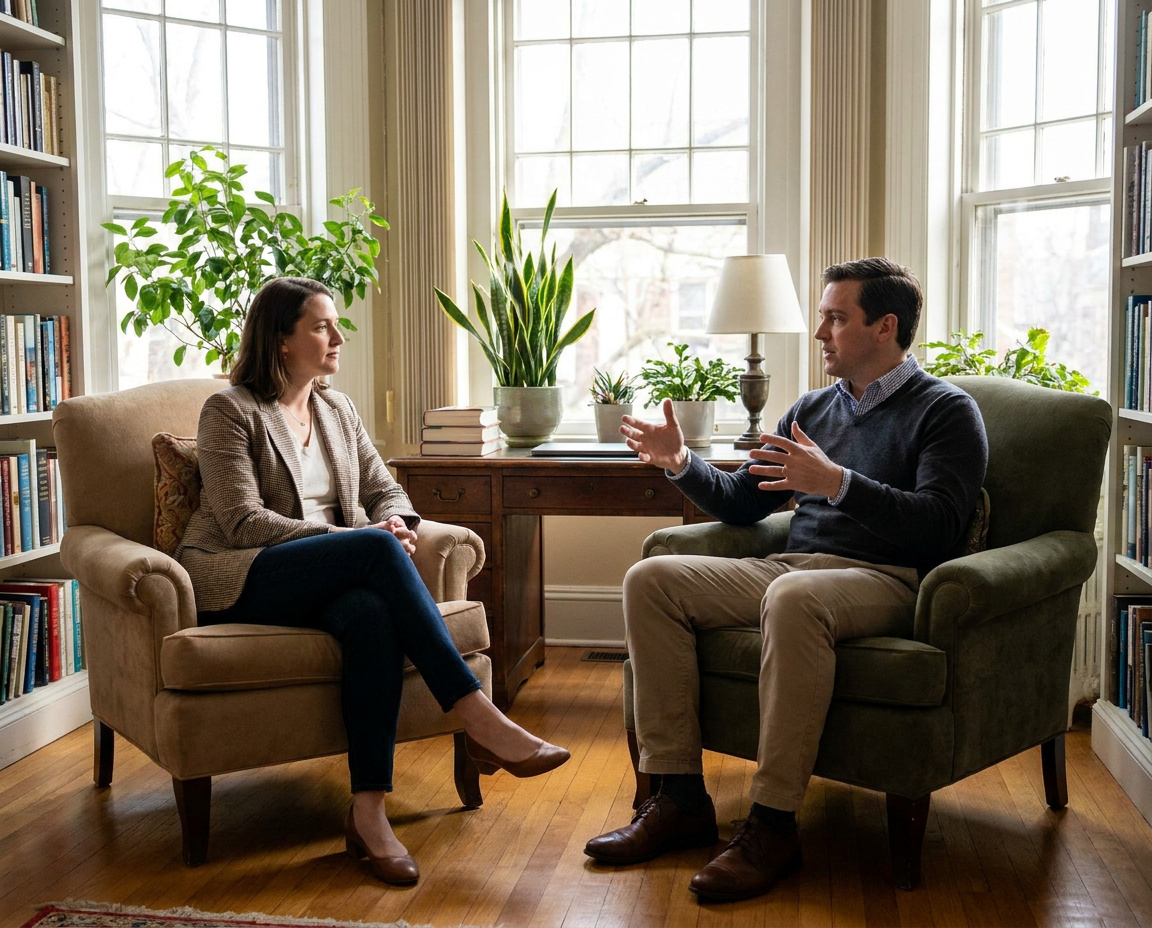
One on one support to help you stay focused and set goals.
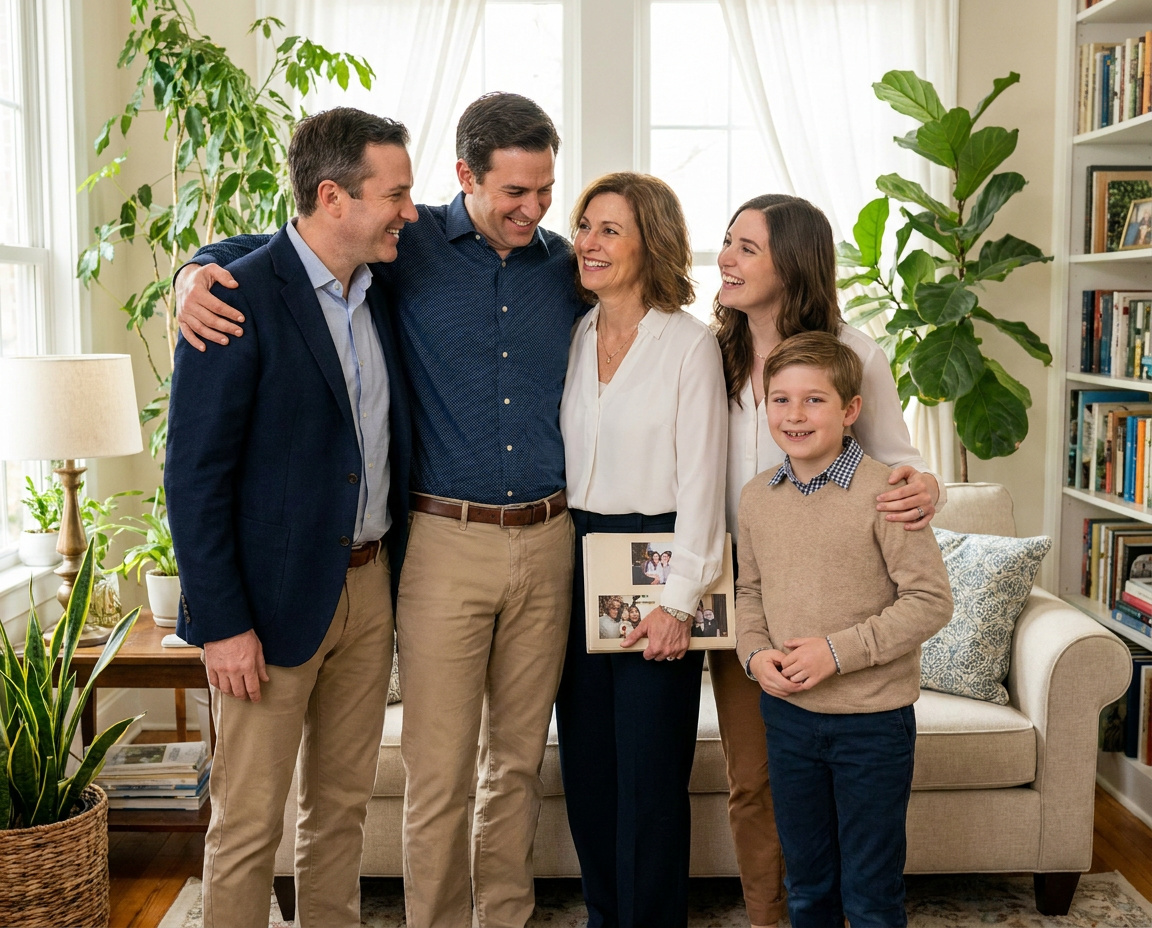
Guidance for families who want to understand and help.

A practical plan to spot triggers and protect your progress.
Plus Life Skills Support, Peer and Sober Support, and Mentorship.

We help individuals and families find sober living homes in New Jersey that fit their budget and location, and we stay in touch through the move until you are settled in.
A sober living home is a shared, substance free house where people in recovery live together while they get back on their feet. Everyone agrees to stay sober, follow the house rules, and carry their share of daily life, from chores to rent. It is not a rehab or a detox, and there is no medical treatment inside the house. What it gives you is stability: a bed in a safe neighborhood, a routine, and people around you working on the same thing. Daily life looks ordinary on purpose. Residents go to work or school, attend meetings or outpatient treatment if that is part of their plan, and check in at house meetings. Across New Jersey, homes range from small houses to larger, more structured programs, some for men and some for women, and we help you find the one that fits.
Most people who move into sober living are at one of a few points in recovery.

Finishing detox or rehab and knowing that going straight home is risky. The first weeks after treatment are when a stable place matters most.

Some never went to a formal program but need out of a living situation where staying sober is nearly impossible. A house full of triggers can undo months of effort.

Some are further along and simply want more structure before living fully on their own. There is no rule that says you have to leave at a set point.

Many callers are parents, spouses, and siblings trying to figure out the next step for someone they love. You do not need it all figured out before you reach out.

Hopeful Estates is a referral service. We help you find a sober living home. We do not own or run the homes, and we are not tied to any single one, so the advice you get is based on what fits you, not on filling beds.
You call or send a message, and we talk. We ask where in New Jersey you need to be, your budget, whether you want a men’s home or a women’s home, and whether treatment needs to come first. Then we point you toward sober living homes that match, with honest details on cost and rules, so you compare real options instead of guessing from a website.
The service is free and confidential. There is no assessment form, no insurance pre qualification, and no obligation. After the first call, we usually come back with a shortlist rather than a single pick, so the final decision stays yours.
“Hopeful Estates helped us find a sober living home for my son in New Jersey. They walked us through every step.”
Sarah M.
Parent
“I didn’t know where to start. They listened, then matched me with a place that actually fit.”
James R.
18 months in recovery
“They stayed in touch after I moved in and helped my family feel involved the whole way.”
Marcus L.
Family member
Not every sober living home is run well, and quality varies more than most families expect. This is the part you cannot see from the outside, and it is the main reason a referral helps.
Written down and actually enforced, so accountability is real.
Routine drug and alcohol testing that protects everyone in the house.
A house manager or staff who are present and easy to reach.
Clean, maintained, and in a stable neighborhood.
Costs explained upfront, with no hidden fees.
A culture where recovery comes first and people are treated well.
We also pay attention to the standards set by the National Alliance for Recovery Residences, known as NARR, which publishes the most widely used quality standards for recovery housing in the country.
If a sober living home does not meet the basics, we do not recommend it.
If you already have a home in mind, we are happy to tell you honestly whether it clears this bar, even if it is not one we suggested.
The common thread across all of these is a substance free home with accountability. The difference is in who runs it, how strict it is, and what it costs. Here is how the main options compare.
Whichever type you consider, ask directly about cost, structure, and oversight. Any good operator will answer plainly.
Hopeful Estates is based in West Milford, in Passaic County, and the homes we refer to are across New Jersey, so you are not limited to one town. Some people want a home close to family, work, or their outpatient program. Others want distance from the people and places tied to their using days. Both are valid, and it is one of the first things we ask about. Being local matters in a practical way. We know which parts of the state have openings, what typical rents look like from town to town, and which homes fit different budgets. The fastest way to find out what is available is to call, and a real person reads every contact form too.

A safe place to live is the foundation, and it works best with support built around it.
Alongside the home itself, we can connect you with recovery coaching, relapse prevention planning, life skills support, family support, peer and sober support, and mentorship from people further along in their own recovery.
None of it is required, and none of it is one size fits all. Some people move in with a full plan around them. Others start with just the home and add support as they go.
If you are ready to talk, or just want to understand the options, call (201) 292-0185. The conversation is free, confidential, and comes with no pressure to decide anything today.
It varies by home, location, and what is included, often somewhere from a few hundred to over a thousand dollars a month. Most homes charge rent rather than a treatment fee. We help you find options that fit your budget and explain what each one includes.
Often more than people expect. The home itself is usually paid like rent, since sober living counts as housing rather than medical treatment, so most plans do not cover that part. The good news is that insurance often does help with the care you keep up while you live there, like outpatient therapy, counseling, or medication, when it is in network and medically needed, and that can lower your overall cost. Many homes also offer payment plans, sliding scale rates, or scholarships. We help you find a home that fits your budget and sort out what your plan can cover, so cost does not stand between you and a safe place to keep recovering.
For a lot of people, yes. A good sober living home gives you a stable, substance free place to live, daily structure, and people around you who understand recovery. That mix of accountability and support makes it easier to hold on to the progress made in treatment, especially in the early months when going straight home can feel shaky. It is one of the most common steps people take to protect early recovery.
Rules vary by home, but most ask residents to stay sober, take part in regular drug testing, follow a curfew, attend house meetings, help with chores, and pay rent on time. We match you with homes whose structure fits what you need.
Most stays run from a few months to about a year. There is usually no hard limit as long as you follow the rules and keep up with rent. Many people stay until they feel steady enough to live on their own.
Not always. Some homes accept people who are new to recovery, while others ask for completed detox or a set amount of clean time. We help match you to a home that fits where you are right now.
Yes. Most homes encourage residents to work or go to school, and many allow visitors during set hours with the house manager’s approval. Each home is different, and we will go over the details with you.
They are similar but not the same. Halfway houses are often tied to the court or prison system and have set time limits, while sober living homes are usually voluntary and more flexible.
584 Morsetown Rd, West Milford, NJ 07480 • (201) 292-0185